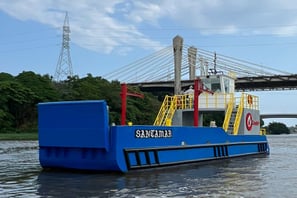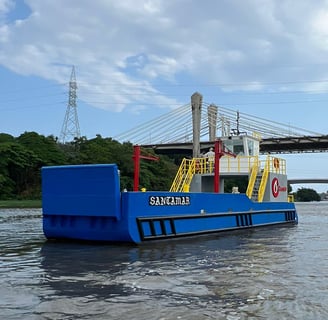
Maritime Operations Barge Engineering and Construction
Project Details
Role


Team Lead, Consultant


5
Budget


$ 15k to $ 25k


Duration
14 Weeks (2023)
Team Size
Industry
Construction Architecture Engineering


Project Objective
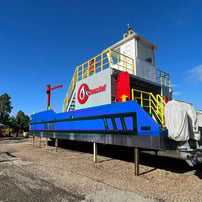
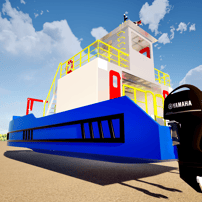
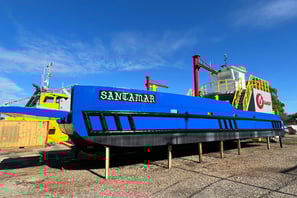
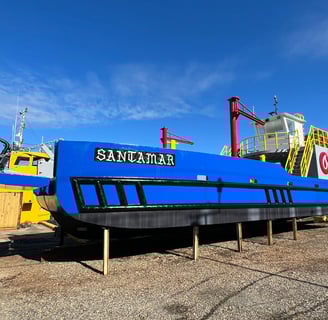
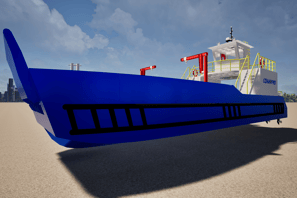
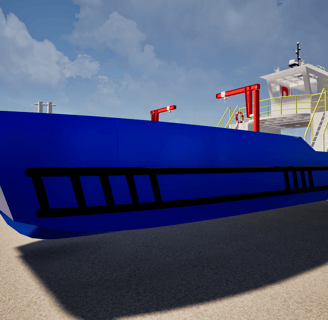
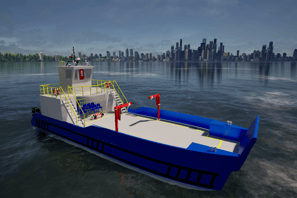
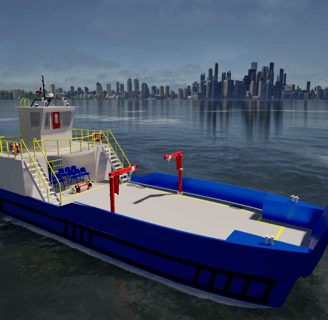
The primary objective of this project was to perform all necessary engineering tasks required for the construction of a maritime operations barge. This barge was designed to meet the client's needs for inspection maneuvers, general maintenance of buoys at sea, and the transportation of cargo from the dock to anchored vessels, among other operational requirements.
Project Description
The project involved the design of the vessel and the development of engineering specifications necessary for its construction. Agile methodologies were employed throughout the project, with a total of six sprints, each lasting two weeks.
Sprint 1: Conceptual Design Phase
The aim of the Conceptual Design Phase was to prepare initial design drawings and supporting calculations to establish the basic layout, geometry, capacities, performance, and machinery requirements of the vessel. This phase allowed for a thorough review of the design objectives documented in the Statement of Requirements, ensuring they would be met with the proposed design.
Sprint 2: Preliminary Design Phase
During the Preliminary Design Phase, more detailed yet still preliminary design drawings and supporting calculations were developed to verify the vessel’s layout, capacity, and basic performance objectives. This phase represented the formal definition of the vessel’s basic configuration, with some additional iterations anticipated to finalize the design. Upon acceptance of the Preliminary Design, the design configuration and Statement of Requirements were frozen to advance to the Contract Design Phase.
Sprint 3: Contract Design Phase
The Contract Design Phase aimed to develop a complete set of design drawings and supporting calculations based on the Preliminary Design and final Statement of Requirements. This detailed design aimed to:
Meet the client’s performance objectives for the vessel.
Meet the client’s configuration objectives for the vessel, including major equipment and operational systems.
Obtain basic design approval from the Classification Society and/or Flag State authorities.
Sprint 4: Production Engineering Phase - Hull Construction
The Production Engineering Phase focused on developing all constructive engineering drawings for the hull of the vessel. This phase adapted to the current conditions of the shipyard, considering both internal and external environments, available machinery and tools, and construction area limitations.
Sprint 5: Production Engineering Phase - Superstructure Construction
This phase included the engineering specifications for the construction of the vessel's superstructure, ensuring all elements were designed to integrate seamlessly with the hull and overall design.
Sprint 6: Production Engineering Phase - Systems Specification
The final phase of production engineering involved specifying all systems within the vessel, including electrical, mechanical, and hydraulic systems. Detailed drawings and specifications ensured that all systems would function cohesively.
Sprint 7: Supplementary Designs and Calculations
This sprint involved creating supplementary designs and calculations, including critical maneuver specifications, assembly bed plans, welding maps, and production schedules.
Products/Technologies
Engineering Design Software (AutoCAD), Agile Methodology, Feedback Mechanisms
Lessons Learned
The agile methodology facilitated efficient project management and timely delivery.
Iterative design reviews ensured alignment with client requirements and enhanced design accuracy.
Effective communication and stakeholder engagement were crucial for project success.
Project Wins
Successful construction of the vessel in accordance with the engineering specifications.
Client satisfaction achieved by delivering a vessel that met all operational needs.
Functional Responsibilities
Project Manager: Oversaw all aspects of the project.
Scope Management: Ensured the project stayed within defined boundaries.
Change Management: Managed and documented all changes throughout the project.
Stakeholder Management: Engaged with and managed all stakeholders to ensure their needs and expectations were met.
Gallery